Three answers before you buy backup power.
Work out how much power an outage takes, which kind of backup fits your home, and which model fits your needs and budget. Maker specs, official data, and math you can check.
What has to stay on?
Typical watts for each device. Edit them in step 1.
How much power do you need?
Start with the devices, not the battery. A refrigerator, a CPAP, and a router need very different amounts of energy, and anything with a motor needs extra power for a moment when it starts.
- Watt-hours for the whole outage, not just watts
- Startup surge for fridges, freezers, and pumps
- Every assumption written down
| Device (average draw) | 300 Wh | 1,000 Wh | 2,000 Wh | 3,600 Wh |
|---|---|---|---|---|
| CPAP (no humidifier) 40 W | 6.4 h | 21.3 h | 42.5 h | 76.5 h |
| Wi-Fi router + modem 20 W | 12.8 h | 42.5 h | 85.0 h | 153 h |
| Refrigerator (daily average) 60 W | 4.3 h | 14.2 h | 28.3 h | 51.0 h |
| Fridge + router + 4 LED bulbs 120 W | 2.1 h | 7.1 h | 14.2 h | 25.5 h |
| Sump pump (20% duty) 160 W | 1.6 h | 5.3 h | 10.6 h | 19.1 h |
Calculated Battery Wh × 0.85 ÷ average watts. Green is a full day or more; amber is under 8 hours. Real runtime varies with temperature, battery age, and load.
What do you need to keep running?
Pick devices and outage length. We add up the energy and the startup surge, then suggest a power class.
Estimate: average watts × hours ÷ 85% inverter efficiency. Watts are typical values; check the label on your appliance and edit the number. How we calculate
Which type of backup power should you buy?
Your step 1 total decides most of this. Tell us a little about your home and we suggest a type, with the reasons, then compare all four side by side.
Rules of thumb based on your step 1 total, not a sizing service. Well pumps, central air, and whole-home setups need a load calculation from a licensed electrician.
Pick devices in step 1 to see a suggestion.
| Feature | Portable power stationYour fit | Solar generator kitYour fit | Home battery backupYour fit | Fuel generatorYour fit |
|---|---|---|---|---|
| What it is | A battery and inverter you plug devices into | A power station sold with folding solar panels | A large expandable battery that can feed critical circuits through a transfer switch | A gas, propane, or dual fuel engine |
| Typical size | 250 Wh to 2 kWh | 1 to 3.6 kWh plus 200 to 800 W of panels | 2 to 4 kWh, expandable past 10 kWh | 2,000 to 12,000 W, as long as fuel lasts |
| Use indoors | Yes | Yes, panels outside | Yes, installed per the manual | No. Outdoors only, 20 ft from openings |
| Noise | Fan only | Fan only | Fan only | Loud; inverter models are quieter |
| Refill | Wall, car, or solar | Sun, wall, or car | Wall, solar, or a generator | Fuel you store and rotate |
| Best for | Short outages, CPAP, router, a fridge for a day | Multi-day outages without fuel | Whole-home essentials, sump and well pumps | Long outages and heavy loads |
| Budget | $ to $$ | $$ to $$$ | $$$ | $$ |
Which model fits your needs and budget?
Choose the job and your budget. Each guide ranks models for that job, shows who should skip each one, and includes a runtime check for the devices in its title.
10 guides
- Best Solar Generators for Home BackupRead the guide
- Best Power Stations for Home BackupRead the guide
- Best Home Battery Backup Without SolarComing soon
- Best Power Stations for a RefrigeratorComing soon
- Best Battery Backups for a Sump PumpComing soon
- Best Solar Generators with Panels IncludedComing soon
- Best Power Stations for CPAPComing soon
- Best Power Stations for Starlink MiniComing soon
- Best Power Stations Under $500Coming soon
- Best Battery Backups for a Wi-Fi RouterComing soon
No guide for that exact combination yet. These are the closest.
Five kinds of backup power
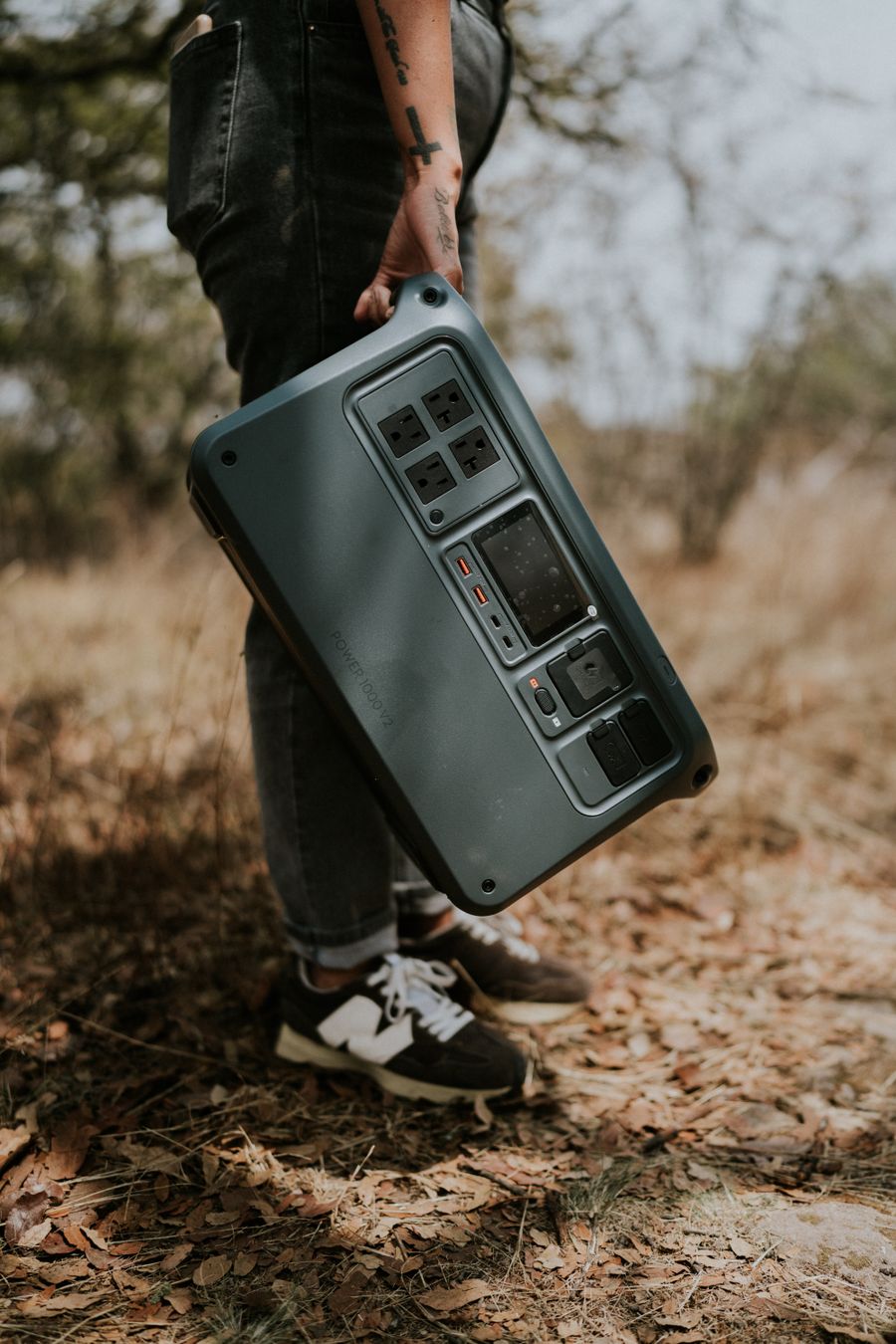
Portable Power Stations
From 300 Wh units for phones and CPAP to 2 kWh stations for a refrigerator.
Explore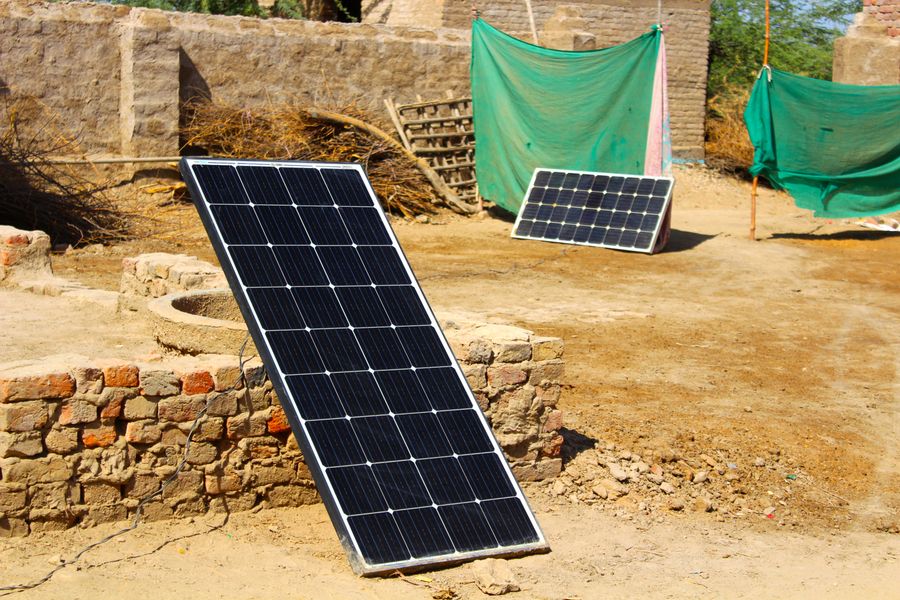
Solar Generators
Power station and panel kits that refill without the grid.
Explore
Home Battery Backup
Expandable systems for critical circuits during long outages.
Compare with the other types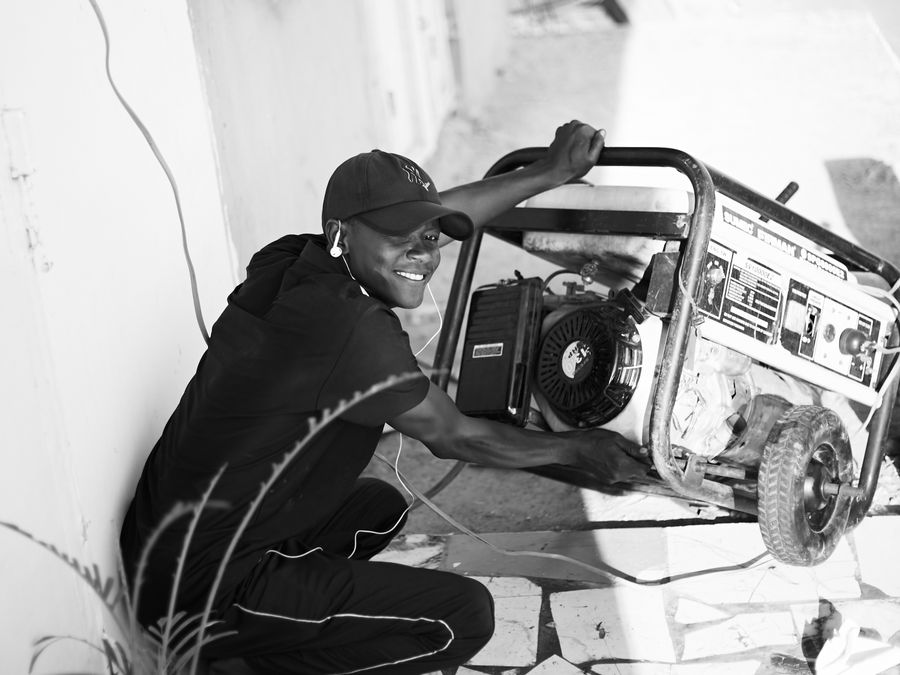
Generators
Inverter, dual fuel, and tri-fuel models, with carbon monoxide safety first.
Compare with the other types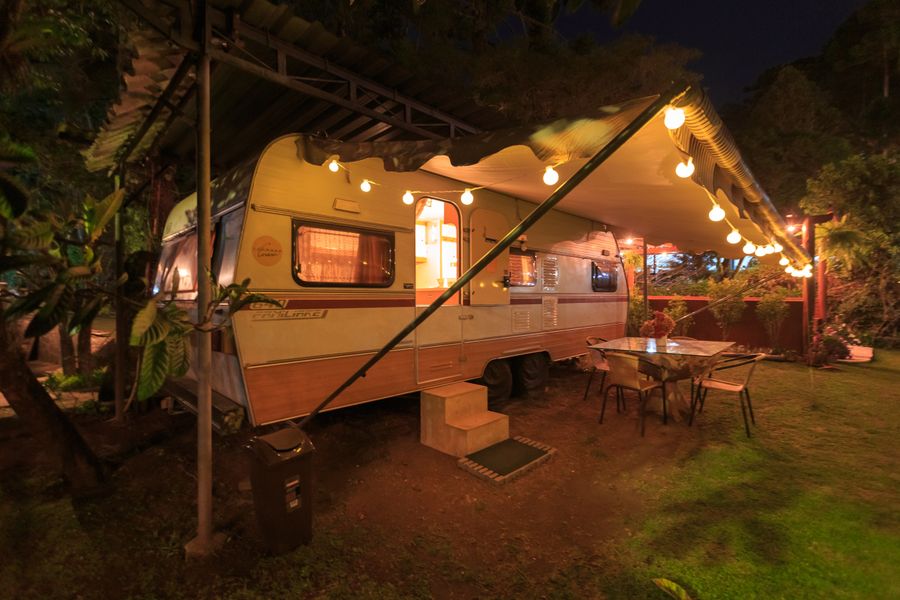
RV & Camping Power
30 amp hookups, boondocking, and quiet campsite power.
See the first guidesThree layers behind every recommendation
Spec sheet facts
Capacity, continuous and surge watts, chemistry, rated cycles, solar input, and warranty from the maker’s own pages and manuals. Spec sheet
Our math, shown
Runtime, surge headroom, solar recharge hours, and lifetime cost per kWh, with every assumption written down. Calculated
Safety record
UL listings, CPSC recall notices, and carbon monoxide guidance from official sources. Official data
We do not run lab tests, and we never say we did. When a guide includes our own measurements, it will say so and show the numbers.
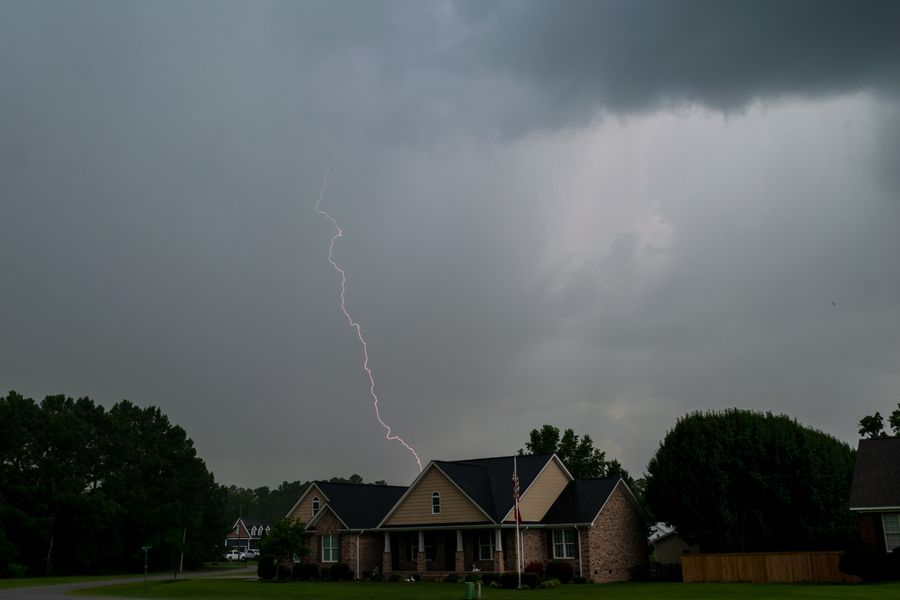
Three safety rules we put in every guide
- Generators stay outside. Never in a home, garage, or near windows; carbon monoxide can kill in minutes. Install CO alarms.
- No backfeeding. Connecting to home wiring needs a transfer switch or interlock installed by a licensed electrician.
- Medical devices need a plan. Ask your doctor or equipment supplier before relying on a battery for life-sustaining equipment.